Digital legal relations have changed how law firms approach client interactions and contractual obligations. When parties engage through online platforms, questions about liability become more complex. Payment processing systems across various digital sectors illustrate this complexity – whether handling transactions on casino online American Express platforms or e-commerce sites, multiple parties share responsibility for each transaction.
Who bears responsibility when something goes wrong in a digital transaction? Private law firms must navigate these waters carefully.
The traditional rules of liability still apply, but digital environments add new layers of complexity. Understanding these nuances helps protect both clients and legal practitioners.
Core Principles of Digital Liability
Establishing Responsibility Online
Digital transactions create unique challenges for determining liability. Courts consider several factors when deciding who is responsible. These include:
- The nature of the digital platform.
- The terms of service
- The actions of each party.
Evidence plays a different role in digital cases. Digital footprints, timestamps, and electronic signatures become crucial. Law firms need to understand how these elements affect liability determinations.
Contractual Obligations in Virtual Spaces
When parties enter into agreements online, they accept certain responsibilities. The law treats digital contracts similarly to paper ones. However, proving terms and acceptance can be more complicated.
Consent mechanisms matter significantly. Did the party actually agree to the terms? Was there adequate disclosure? These questions shape liability outcomes in disputes.
Payment Processing and Transaction Liability
Modern digital platforms handle countless financial transactions daily. Payment processors play a crucial role in these exchanges. When disputes arise, determining liability involves examining the entire transaction chain.
The payment processor, service provider, and user each have distinct obligations. Understanding these relationships helps law firms advise clients on risk management.
Data Protection and Privacy Responsibilities
Handling Client Information
Law firms handle sensitive data in digital formats. This creates significant liability exposure. What happens if client information gets breached? Who pays for the damages?
Data protection laws place clear obligations on firms. They must implement reasonable security measures. Failing to do so can result in liability for any resulting harm.
Third-Party Service Providers
Many firms use cloud services and digital tools. These relationships create additional liability considerations. When a third-party vendor experiences a breach, does the law firm share responsibility?
The answer often depends on the service agreement. Firms should carefully review vendor contracts. Due diligence in selecting partners helps minimize liability risks.
Communication and Representation Issues
Digital communication happens quickly. Emails, messages, and video calls replace traditional correspondence. This speed creates potential pitfalls for liability.
Miscommunication becomes easier online. Tone gets lost in text. Important details might be overlooked. Law firms must establish clear communication protocols to protect themselves and their clients.
Managing Client Expectations
Clear documentation prevents many disputes. Firms should maintain detailed records of all digital interactions. This includes emails, chat logs, and shared documents.
Setting boundaries helps too. What times are lawyers available online? How quickly should clients expect responses? Clarifying these points reduces misunderstandings.
Jurisdictional Challenges in Digital Relations
Where does a digital legal relationship exist? This question becomes critical when disputes arise. Different jurisdictions have varying laws about liability.
International clients add complexity. A firm in one country serving a client in another faces multiple legal frameworks. Understanding applicable law prevents unexpected liability exposure.
Smart contracts include clear jurisdictional clauses. These provisions specify which laws govern the relationship. They also indicate where disputes should be resolved.
Without clear terms, determining applicable law becomes difficult. Courts may apply different standards than parties expected. This uncertainty increases liability risks for everyone involved.
Risk Management Strategies
Professional liability insurance adapts to digital practice. Traditional policies may not cover all digital risks. Firms should review their coverage regularly.
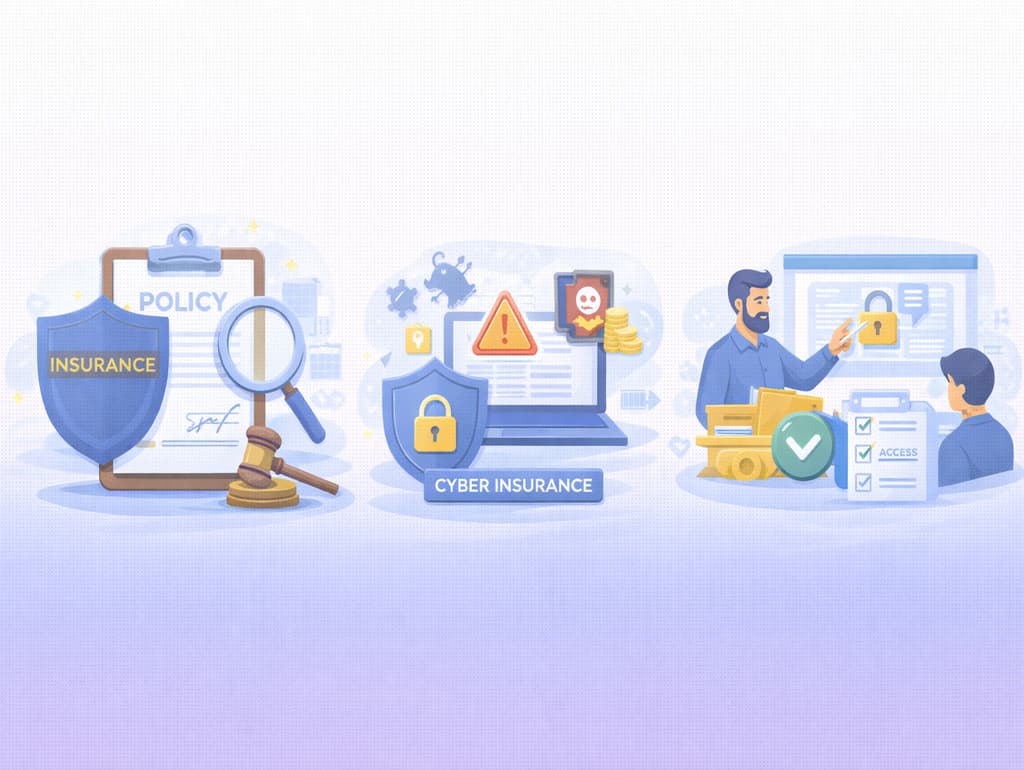
Cyber insurance has become essential. It addresses risks specific to digital operations. This includes data breaches, ransomware, and other online threats.
Strong internal procedures reduce liability exposure. Staff need training on digital security and best practices. Regular updates keep everyone informed about evolving risks.
Documentation protocols matter greatly. How should the firm store digital files? Who has access to sensitive information? Clear policies answer these questions.
Moving Forward with Digital Practice
Digital legal relations will only grow. Law firms must adapt their liability management approaches. This means staying informed about technology and legal developments.
Each party involved in digital transactions has responsibilities. Understanding these obligations helps prevent disputes. When problems do arise, clear documentation and proper procedures make resolution easier.
Embracing digital tools while managing risks creates opportunities. Firms that master this balance serve clients effectively while protecting themselves from unnecessary liability exposure.